
Energy-efficient new homes, certified for South Texas

≤ 63
2015 IECC
RESNET
Public
Any certified home can be looked up by address
Sponsored by Magic Valley Electric Cooperative (MVEC), which pays cash rebates to builders on certified homes in its territory.
Building homes in the Valley, or buying one?
For builders
Certify your RGV homes with Built to Save®
- Directory and Guide placement: your company in the Built to Save® builder directory and, once your first home is certified, in the program's two-page ad in the RGV New Homes Guide
- MVEC cash incentives on certified homes in MVEC territory — See current builder rebates
- Trademark use: put the Built to Save® mark in your print and online marketing while your membership is active
- A public record buyers trust: each certified home appears in the database with its certificate
For homebuyers
Buying a new home in the RGV
The process
How does Built to Save® certification work?
Builder registers
Rater models the plans
Before construction starts, an independent rater reviews the floor plans and the Manual J load calculation.
Pre-drywall inspection
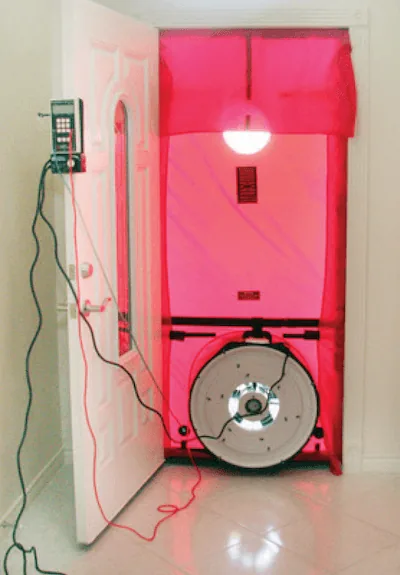
With the walls still open, the rater checks insulation, air sealing and duct sealing.
Final testing
Builders already certifying with Built to Save®
Member since 2014
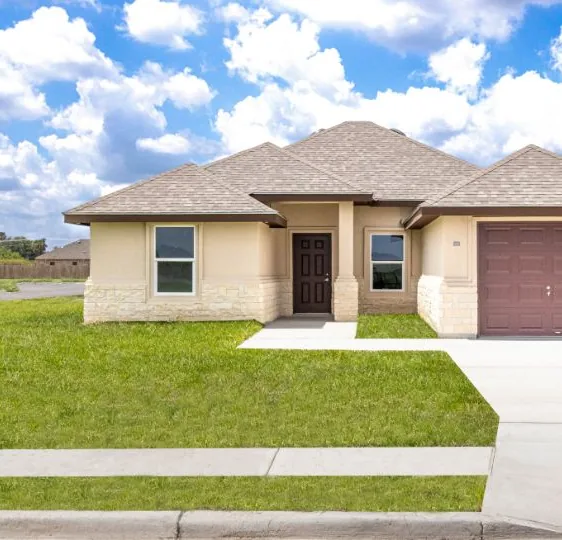
Affordable Homes of South Texas
See featured builders →Rio Grande Valley
2026 Leading Builder
Member since 2014
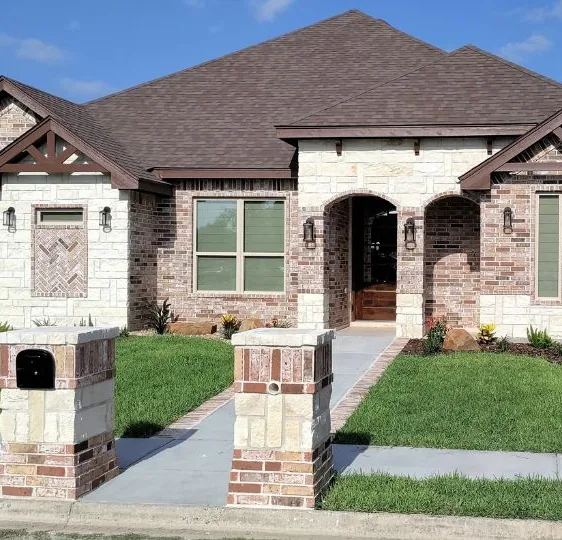
Divine Custom Homes
See featured builders →Rio Grande Valley
2026 Leading Builder
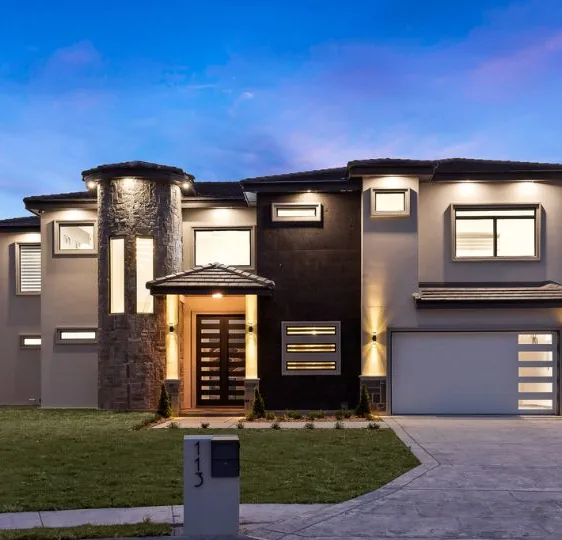
Member since 2019
Caza Group, LLC
See featured builders →Rio Grande Valley
2026 Leading Builder
For Rio Grande Valley builders
How do Builders join Built to Save®?
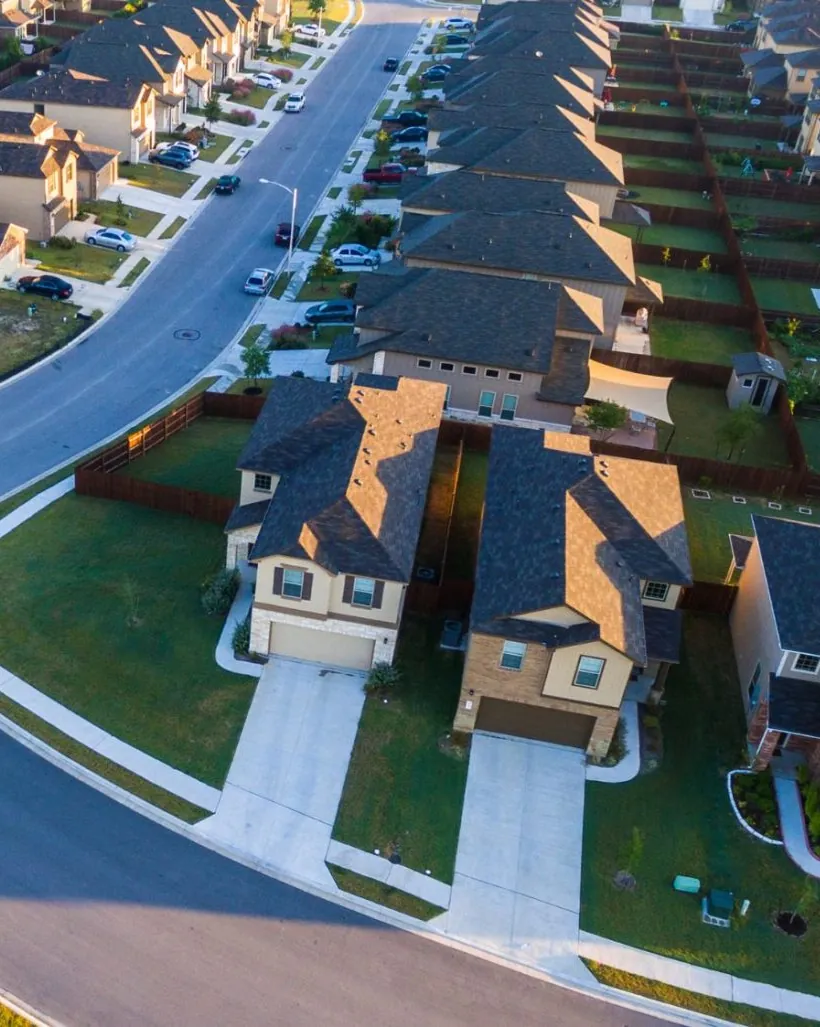
certified homes01 / 0302 / 0303 / 03
Step 1Register your company online.
Open the form ↗Step 2Hire any RESNET-certified rater.
Find a rater ↗Step 3Pass the tests, get certified and listed.
See how it works ↗
Watch how to register
7 min 35 sec · YouTube
What changes when a home is certified?
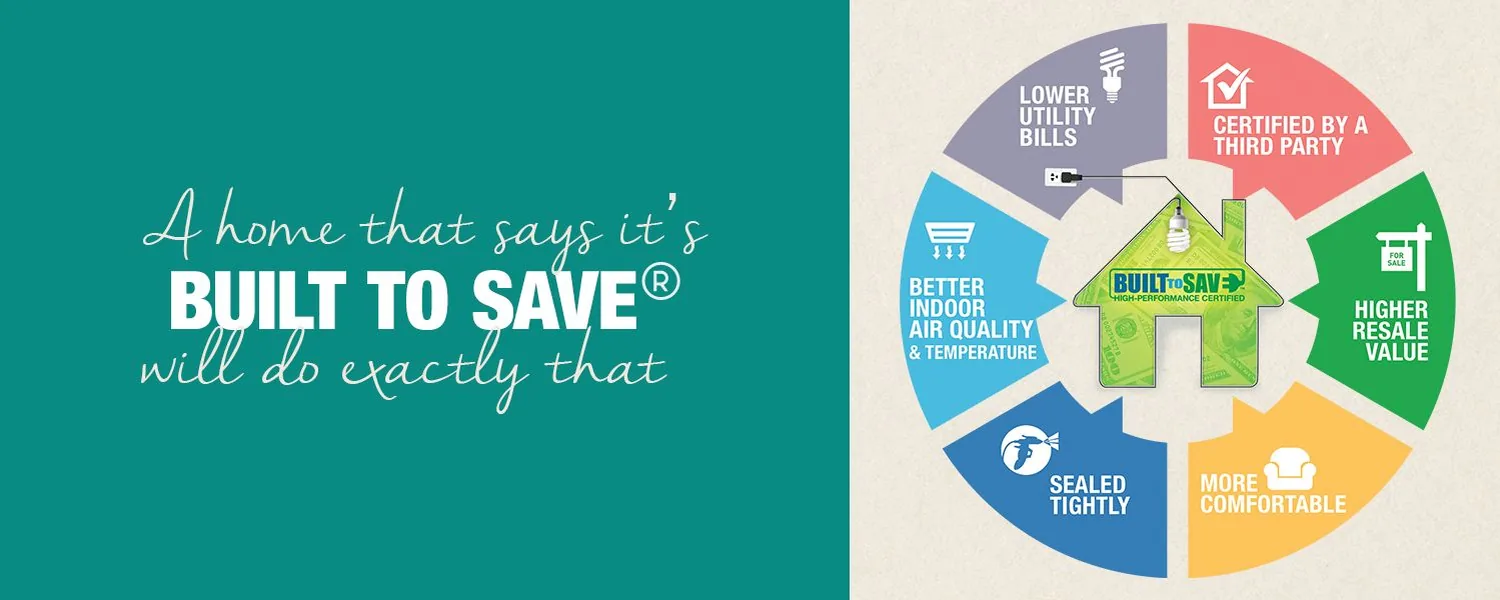
To qualify, a home must have a HERS score of 63 or below, or be 5% more energy efficient than code. On the HERS scale the reference home scores 100, and lower is more efficient. The rater measures the score on site with blower-door and duct tests, so buyers get a tested result instead of a builder’s description.
More of what you want
- A tested HERS score of 63 or below, or 5% more energy efficient than code
- Insulation and air sealing checked before the drywall goes up
- An AC system sized to the house with a Manual J load calculation
- A written HERS score to show a future buyer
Less of what you don't
- Humid outdoor air leaking in through attic and wall gaps
- Cooled air lost through leaky ductwork
- Hot and cold rooms from an oversized or undersized AC
- Guesswork about how efficient the home really is
Where are Built to Save® homes built?
Certified builders work across the Rio Grande Valley of South Texas, including McAllen, Edinburg, Mission, Pharr, Weslaco, Harlingen, San Benito and Brownsville. MVEC cash incentives apply to homes in Magic Valley Electric Cooperative’s territory.
Ask at the sales office
“Does this home have a Built to Save® certificate, and what’s its HERS score?” Check an address
Quick answers
Built to Save® questions
For builders
What does it cost a builder to join Built to Save®?
Builder membership costs $175 a year. Each certified home adds $205 for the certificate and the electrical-panel decal. The rater's pre-drywall and final inspections typically cost about $450 per home, paid directly to the rater.
How does a builder join Built to Save®?
Register online and renew your membership each year. Builders certify at least one home a year to keep using the Built to Save® trademark and stay listed as an active member.
What rebates can Built to Save® builders get?
Magic Valley Electric Cooperative (MVEC) pays cash rebates on certified homes in MVEC territory to offset inspection costs. Current amounts are on the builder rebates page.
Who sponsors Built to Save®?
Magic Valley Electric Cooperative (MVEC) sponsors Built to Save®. MVEC also funds the program's builder rebates on certified homes in its service territory.
For homebuyers
What is Built to Save® certification?
A voluntary energy-efficiency certification for new homes in the Rio Grande Valley of South Texas, sponsored by Magic Valley Electric Cooperative (MVEC). Every certified home has a HERS score of 63 or below, or is 5% more energy efficient than code, verified by an independent RESNET-certified rater.
What HERS score does a Built to Save® home need?
A home must have a HERS score of 63 or below, or be 5% more energy efficient than code, to qualify. Every home must also meet the 2015 IECC as a minimum.
Who inspects a certified home?
An independent RESNET-certified energy rater. The rater inspects the home before drywall and tests it again at completion.
How do I check whether a home is certified?
Search the certified homes database by address, or ask the builder for the home's certificate and HERS score.
Updated October 2026