
Blower Door & Duct Testing Explained
If you’re buying a new home in Texas and hear phrases like blower door test or duct leakage test, you might assume they’re technical checks that don’t really affect day-to-day living.
In reality, these two tests are some of the most important indicators of how comfortable, efficient, and affordable your home will be, especially in the Rio Grande Valley.
This guide explains what blower door and duct testing are, how they work, and why they matter so much in hot, humid South Texas climates.
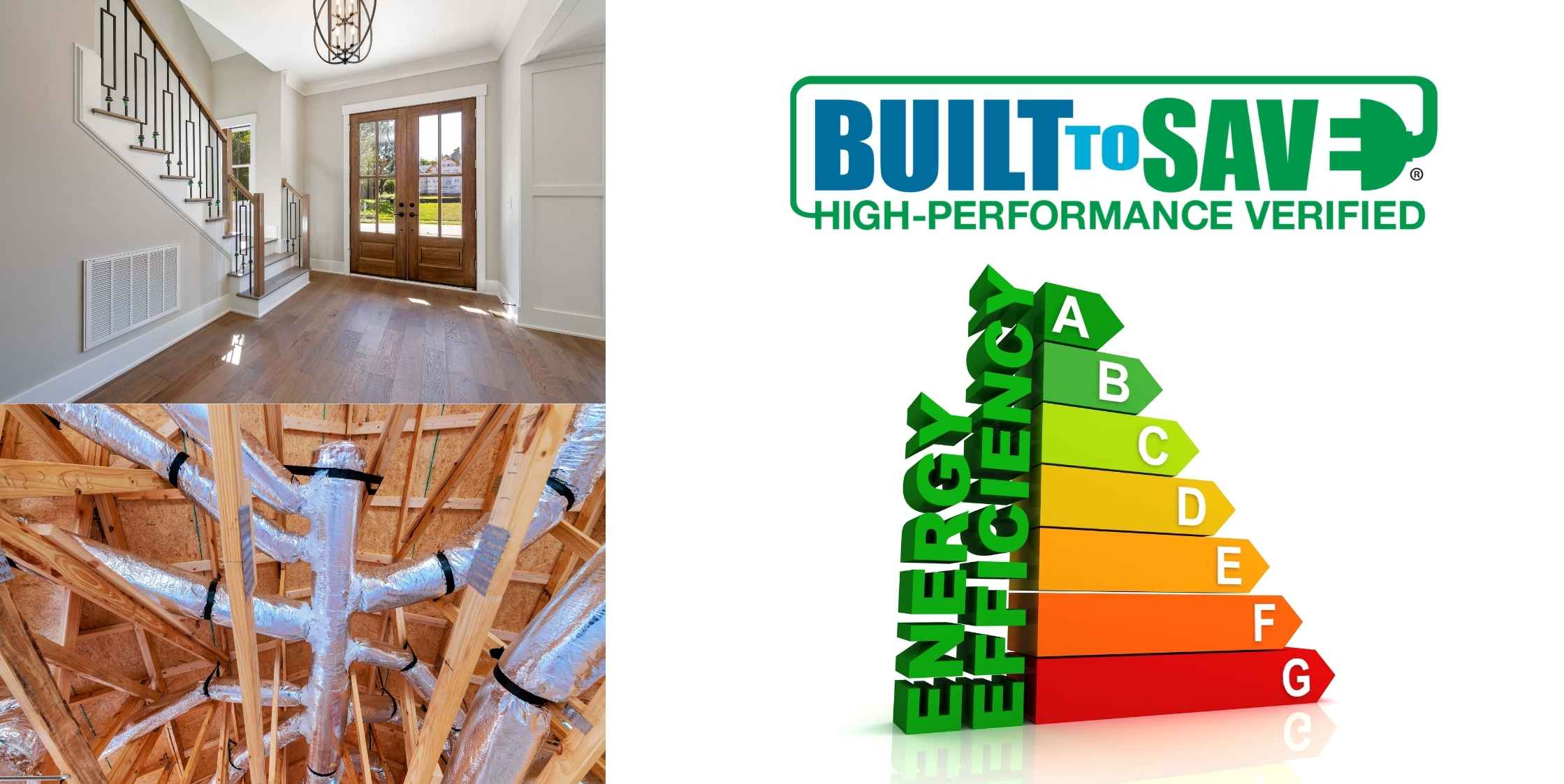
Why Testing Matters More Than Promises
Many homes are marketed as “energy-efficient” based on features alone – insulation type, window ratings, or HVAC brand names.
But features don’t guarantee performance.
Testing answers a different question:
Does the home actually hold conditioned air where it belongs and deliver it efficiently to living spaces?
That’s what blower door and duct testing are designed to prove.
What Is a Blower Door Test?
A blower door test measures how airtight a home is.
Air leakage is one of the biggest causes of:
High energy bills
Uneven temperatures
Excess indoor humidity
Overworked air-conditioning systems
The blower door test identifies how much outside air leaks into the home through gaps, cracks, and poorly sealed areas.
How a Blower Door Test Works (Plain English)
During the test:
A temporary fan is placed in an exterior doorway
The fan gently pulls air out of the home
This creates pressure that draws outside air through leaks
The tester then measures how much air is entering the home.
The more air that leaks in, the harder your AC system has to work – especially in South Texas heat.
Why Airtightness Is Critical in the RGV
In the Rio Grande Valley, outdoor air isn’t just hot – it’s humid.
When unconditioned air enters a home:
Cooling demand increases
Humidity levels rise
Comfort drops
AC systems run longer and cycle harder
Homes with better airtightness:
Stay cooler longer
Control moisture more effectively
Reduce cooling costs
Feel more comfortable room-to-room
Blower door testing confirms whether a home is built tight – or just looks that way.
What Is a Duct Leakage Test?
A duct leakage test measures how much cooled air escapes from the duct system before it reaches your rooms.
In many homes, ductwork runs through hot attic spaces. If ducts leak:
Conditioned air is lost into the attic
Rooms cool unevenly
Energy bills increase
AC systems run longer than necessary
Duct testing verifies that the air you pay to cool actually reaches your living space.
How Duct Testing Works
During a duct test:
The duct system is temporarily sealed
Air pressure is applied
Leakage is measured
This shows how much air escapes through joints, seams, and connections.
Well-sealed ducts deliver air efficiently and evenly throughout the home.
Why Duct Leakage Is a Big Deal in South Texas
In hot climates, duct losses are magnified.
Leaky ducts:
Pull hot attic air into the system
Reduce airflow to distant rooms
Increase humidity inside the home
Shorten HVAC lifespan
In family homes common in the RGV, duct efficiency plays a major role in overall comfort.
Blower Door vs Duct Testing: What’s the Difference?
| Test | What It Measures | Why It Matters |
|---|---|---|
| Blower Door | Air leakage through the home | Controls heat & humidity |
| Duct Test | Air loss from duct system | Ensures efficient cooling |
Together, these tests show whether the building envelope and HVAC delivery system are working as designed.
Do All New Homes Get Tested?
No – and this surprises many buyers.
Testing is usually required only when:
A home is part of a certification program
A builder chooses to verify performance
Homes built only to minimum code may never be tested at all.
That means buyers often don’t know how their home will perform until after they move in.
Testing and Certified Homes
Most reputable energy-efficiency certifications require:
Blower door testing
Duct leakage testing
Verification during construction
This is why certified homes tend to deliver:
More consistent temperatures
Better humidity control
Lower operating costs
Fewer comfort complaints
How Testing Affects Comfort and Energy Bills
Homes that pass performance testing typically experience:
Reduced air infiltration
More stable indoor temperatures
Lower cooling demand
Improved indoor air quality
In the Rio Grande Valley, where cooling costs dominate, these differences are noticeable month after month.
Questions Homebuyers Should Ask
Before buying a new home, ask:
- Was a blower door test performed?
- Was the duct system tested?
- Can I see the results?
- Who conducted the testing?
Builders who invest in testing are usually confident in their construction quality.
Common Misconceptions
“A bigger AC system fixes leaks.”It doesn’t. Leaks increase energy use and reduce comfort, no matter the system size.
“New homes don’t leak air.”All homes leak air – testing shows how much.
Frequently Asked Questions
Are blower door and duct tests expensive?
They are relatively low-cost compared to the long-term savings they help deliver.
Do these tests delay construction?
No. They are typically performed quickly and fit into standard build schedules.
Can problems be fixed if tests fail?
Yes. Testing often catches issues early, when fixes are easier and cheaper.
Bottom Line
Blower door and duct testing turn energy efficiency from a claim into a measured result.
In the Rio Grande Valley, where heat and humidity magnify small construction flaws, these tests are often the difference between a home that feels comfortable – and one that constantly struggles.
If a home claims to be energy-efficient, testing is how you know it’s true.