
What Is a HERS Score?
If you’re shopping for a new home in the Rio Grande Valley and trying to make sense of terms like energy-efficient, high-performance, or certified, one number can cut through the noise faster than anything else:
The HERS score.
A HERS score gives you a measurable way to understand how a home is expected to use energy — especially important in South Texas, where cooling costs dominate monthly bills.
This guide explains what a HERS score is, how it’s determined, what the numbers actually mean in the RGV, and how you can use it to compare homes with confidence.
What a HERS Score Measures
A HERS score is a numeric rating that reflects how efficiently a home is designed and built to use energy. It’s created through a standardized evaluation performed by a trained third-party energy rater.
The score compares a specific home against a reference home that represents basic construction standards. The result is a single number that makes it easier to compare one home’s expected energy performance to another.
Think of it as a performance benchmark — not a marketing label.
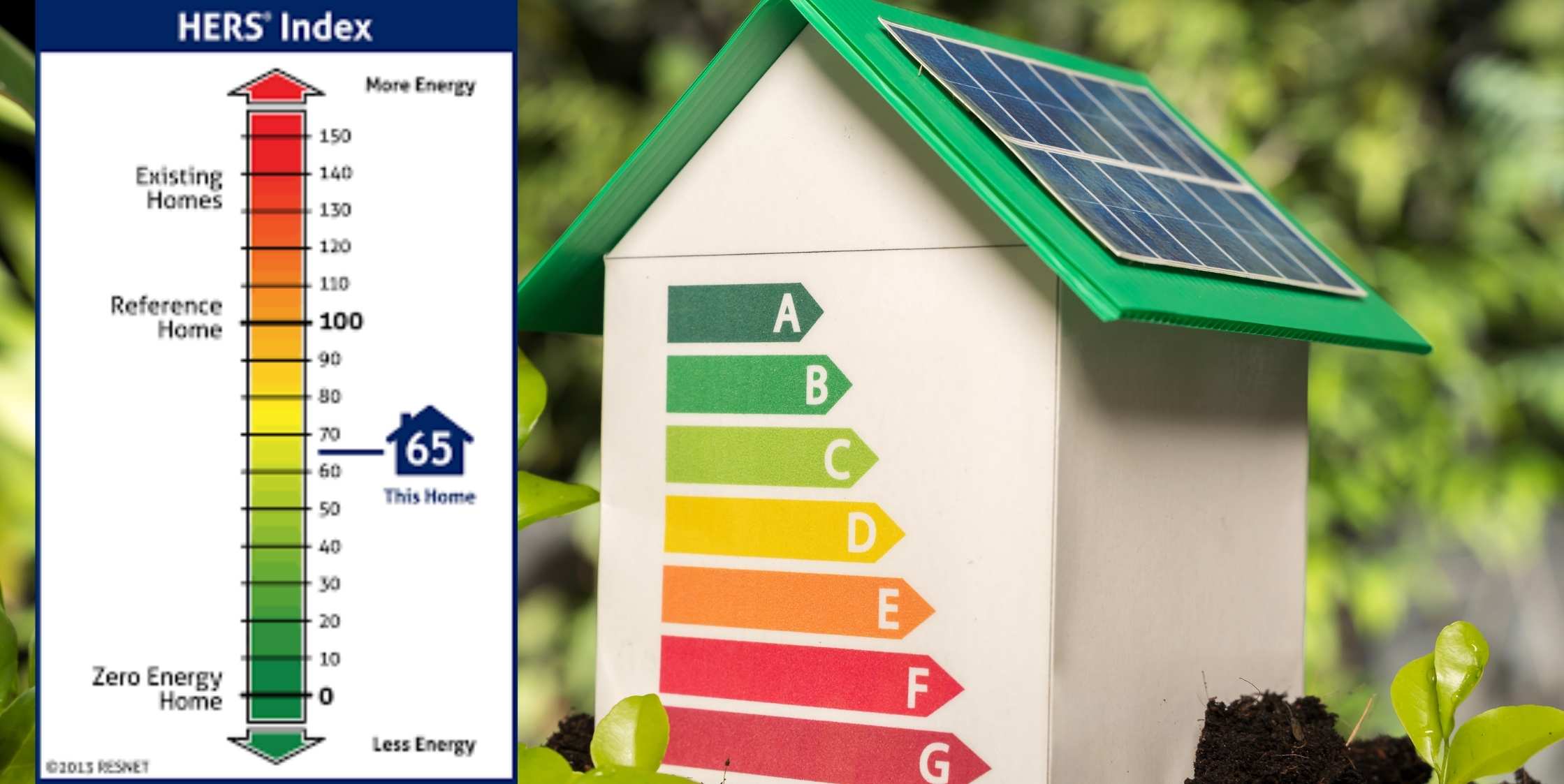
How the HERS Scale Works
The HERS scale is straightforward:
A higher number means the home is expected to use more energy
A lower number means the home is expected to use less energy
As homes become more efficient, their HERS scores move downward.
In general:
Homes built only to minimum code typically land in the higher range
Energy-efficient homes score lower
Extremely efficient or net-zero homes approach zero
The exact number matters less than how it compares to other homes you’re considering.
What Is Considered a “Good” HERS Score in the RGV?
Because the Rio Grande Valley is hot and humid for much of the year, a good HERS score here needs to reflect cooling performance, not just national averages.
As a practical reference:
- 80s or higher → typical code-built home
- 70s → improved efficiency, but limited performance gains
- 60s → strong efficiency for South Texas conditions
- Below 60 → high-performance home
Homes in the low-to-mid 60s or better are usually designed intentionally for energy efficiency, comfort, and humidity control – not just compliance.
How a HERS Score Is Determined
A HERS score is not estimated from plans alone. It’s based on what is actually built and tested.
The process usually includes:
Design Review
The rater evaluates the home’s layout, materials, insulation levels, windows, and mechanical systems.
On-Site Inspections
The home is inspected during construction to confirm insulation and air-sealing work is installed correctly – not just specified.
Performance Testing
Once the home is complete, tests are performed to measure:
- How airtight the home is
- How efficiently air moves through the duct system
Energy Modeling
All verified data is entered into approved software that calculates the home’s performance compared to the reference standard.
The final HERS score reflects measured performance, not assumptions.
Why HERS Scores Matter More in South Texas
In the RGV, energy use is heavily driven by:
Air conditioning
Humidity control
Long cooling seasons
Homes with better HERS scores typically:
Allow less hot air to leak inside
Keep conditioned air where it belongs
Reduce AC runtime
Improve indoor comfort and moisture control
Even small differences in performance can translate into noticeable differences in monthly energy bills in this climate.
HERS Score vs “Energy-Efficient” Marketing
Many homes are advertised as energy-efficient without any verified performance data.
The difference:
- Marketing terms are subjective
- HERS scores are measurable and comparable
If a builder cannot provide a HERS score or documentation, there’s no objective way to confirm how the home will perform once you move in.
How HERS Scores Relate to Certified Homes
Most reputable energy-efficiency certification programs rely on HERS scoring as part of their verification process.
Certified homes usually:
- Target specific HERS score ranges
- Require performance testing
- Provide documentation to buyers
This is why HERS scores often appear alongside certifications such as BUILT TO SAVE®, ENERGY STAR®, or DOE Efficient New Homes.
Can Two Homes Have Similar HERS Scores but Feel Different?
Yes – and this is important.
Two homes may achieve similar HERS scores but differ in:
- Temperature consistency
- Humidity control
- Airflow balance
That’s why construction quality, system design, and testing results matter alongside the score itself.
A good HERS score combined with proper installation delivers the best real-world results.
Questions Homebuyers Should Ask
Before buying a new home, ask:
- What is the home’s HERS score?
- Was the home tested?
- Who performed the rating?
- Can I see the documentation?
Builders who prioritize performance are usually transparent about these details.
HERS Scores and Long-Term Costs
Homes with lower HERS scores often experience:
- Lower monthly energy bills
- Reduced strain on HVAC systems
- Longer equipment life
- Better resale appeal
In a cooling-dominated climate like the RGV, these benefits compound year after year.
Frequently Asked Questions
Is a HERS score required in Texas?No. It’s voluntary, which makes it a valuable indicator of quality.
Does a lower HERS score guarantee lower energy bills?Not guaranteed, but lower scores generally indicate reduced energy demand when systems are used normally.
Can older homes have HERS scores?Yes, if they’ve been evaluated after upgrades or renovations.
Bottom Line
A HERS score gives homebuyers something rare: clarity.
Instead of guessing how a home might perform, you can compare homes using a consistent, third-party metric – especially important in the Rio Grande Valley, where energy performance directly affects comfort and cost.
If a home claims to be energy-efficient, the HERS score is how you verify it.